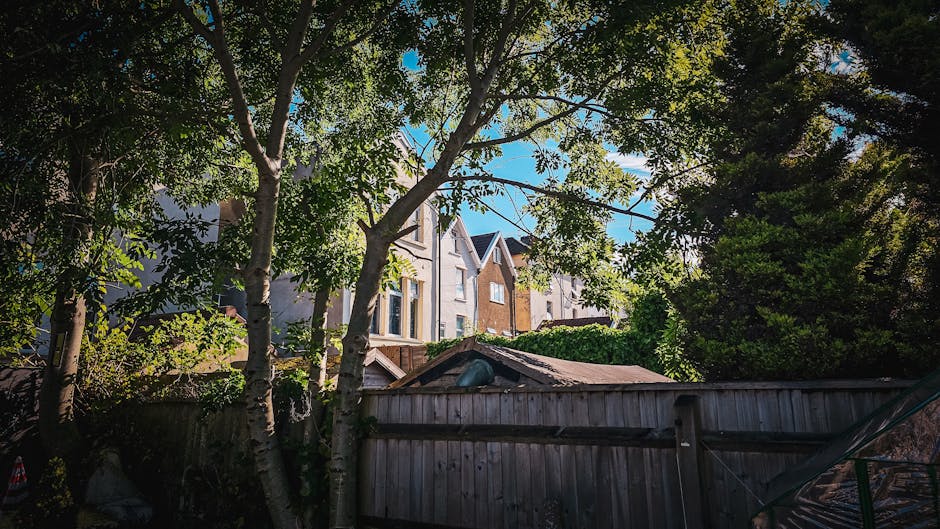
Gardeners Stoke Newington Church Street local maintenance: a practical guide for tidy, healthy outdoor spaces
Keeping a garden looking calm, cared for, and genuinely usable is never just about one big tidy-up. It is the small, regular jobs that do the heavy lifting: edging, pruning, weeding, checking plant health, clearing paths, and noticing problems before they become expensive. That is really what Gardeners Stoke Newington Church Street local maintenance is about. For homes, rental properties, and small businesses along and around Church Street, local garden care needs to be reliable, flexible, and aware of the pace of the area. A windy week, a damp corner, a shaded courtyard, or a suddenly overgrown front bed can change the feel of a space fast.
In this guide, you will find a clear explanation of how local maintenance works, who it helps most, what to expect, and how to get better results without wasting time or money. We will also cover sensible standards, common mistakes, and the kind of practical checklist you can actually use. Nothing fluffy. Just grounded, local advice that makes decision-making easier.
For readers comparing providers, it can help to look at the broader gardening services overview first, then narrow down the maintenance tasks that matter most to your property. And if you want to understand the team behind the work, the about us page is a useful place to start.
Practical takeaway: good local garden maintenance is not about making everything perfect every visit. It is about keeping the garden consistently healthy, safe, and presentable with the right rhythm of care.
Why Gardeners Stoke Newington Church Street local maintenance Matters
Church Street has a distinct feel. It is lively, a bit textured, and in many places tightly urban. Gardens here often have to do more than look nice. They need to cope with partial shade, limited access, compact layouts, foot traffic, pets, changing weather, and the simple fact that life gets busy. A garden that is left alone for too long can quickly become awkward to use, and honestly, a little demoralising. You look out the window on a grey morning and think, "Right, that's another job for the weekend."
Regular maintenance matters because gardens do not pause for convenience. Weeds keep growing. Hedging keeps spreading. Containers dry out faster than people expect in sunny spells, but can sit sodden after rain. Moss builds on paths. Soil compacts. Dead growth hangs around and makes healthy growth work harder. Local maintenance brings all that back under control before it turns into a larger project.
There is also the visual side. A well-kept front garden, shared entrance, or courtyard can make a property feel cared for and welcoming. For landlords, that can support tenant satisfaction. For homeowners, it can simply make day-to-day life nicer. For local businesses, it can improve first impressions without shouting about it. Subtle, but important.
In a neighbourhood like this, regular care also reduces avoidable risks. Slippery paths, low branches, broken pots, and blocked drains are small issues until they are not. A maintenance routine catches the small stuff early, which is usually the cheaper and less stressful route.
How Gardeners Stoke Newington Church Street local maintenance Works
Local maintenance is usually built around repeat visits rather than one-off dramatic interventions. The exact schedule depends on the garden, the season, and the level of use, but the structure is usually straightforward: inspect, prioritise, tidy, improve, and report anything that needs attention beyond routine care.
A typical visit may include lawn care, pruning, deadheading, weeding, leaf clearance, hedge trimming, edging, irrigation checks, waste removal, and a quick visual check for pests or disease. In many cases, the gardener also notices the things a busy owner might miss: a plant struggling in the wrong spot, a fence panel loosening, a drain starting to clog, or a patch of soil that keeps washing away.
For practical planning, it helps to separate maintenance into three layers:
- Routine upkeep: tasks done every visit or every few weeks, such as weeding, mowing, and clearing debris.
- Seasonal care: jobs tied to the time of year, such as spring refreshes, autumn leaf clearance, and winter pruning.
- Corrective work: slightly bigger fixes, such as reshaping shrubs, restoring beds, or improving drainage around a problem area.
That structure makes the service easier to manage, because not every garden needs everything at once. A good local gardener will tell you what genuinely needs doing now, what can wait, and what is better handled as a separate project.
Maintenance also works best when communication is clear. If you have a preferred finish for the front garden, a quiet time window for access, or concerns about pets, say so early. Saves time. Saves awkwardness too.
Key Benefits and Practical Advantages
The obvious benefit is a better-looking garden. But to be fair, the real value of regular maintenance goes much deeper than appearances.
1. Healthier planting
Plants respond well to consistent care. Regular deadheading, pruning, feeding where appropriate, and weed control help the garden develop properly instead of fighting constant neglect. You will usually see stronger growth, better flowering, and fewer sudden failures.
2. Lower long-term costs
A small issue dealt with early is usually much cheaper than a larger recovery job later. For example, a hedge that is lightly shaped every few months is often easier to manage than one that is left to become dense, woody, and awkward to reduce.
3. Better use of outdoor space
A tidy garden is not just nice to look at. It becomes usable. You can sit out, let children play, move safely through the space, and actually enjoy the garden instead of apologising for it.
4. Safer access
Maintenance helps reduce trip hazards, slippery surfaces, and overhanging growth along paths or entrances. This matters especially where people enter and leave frequently, or where paving stays damp for long stretches.
5. Less stress for the owner
There is a quiet relief in knowing the garden is being kept on top of. That one forgotten corner outside the kitchen window? It stops being a little background worry.
There is also a trust benefit. A garden that is visibly looked after tends to signal that the wider property is maintained with care. Not glamorous, maybe, but very real.
| Maintenance approach | Best for | Pros | Watch-outs |
|---|---|---|---|
| Weekly or fortnightly visits | Busy homes, visible front gardens, high-use spaces | Consistent presentation, faster problem spotting | Can feel unnecessary for low-growth gardens if over-scheduled |
| Monthly maintenance | Smaller gardens, slower-growing planting, courtyards | Balanced cost and care | May miss rapid seasonal growth in spring and summer |
| Seasonal maintenance | Low-use gardens, defined tidy-up points | Good for leaf fall, pruning windows, refresh work | Too infrequent for fast-growing or problem-prone gardens |
Who This Is For and When It Makes Sense
Garden maintenance along Church Street makes sense for a wide range of people, but the reasons vary a little.
Homeowners often want dependable upkeep without spending weekends doing the same jobs over and over. If you have a narrow front garden, a courtyard, or a small back space, maintenance can be the difference between "nice little outdoor area" and "that patch we should really sort out."
Landlords and letting agents usually need the property to present well with minimal fuss. Regular garden care helps keep outdoor areas from becoming a complaint point. That matters more than people sometimes admit.
Busy families tend to need a practical balance: safe, neat, and low-maintenance, not overly ornamental or high-effort.
Older residents may want help with heavier or awkward jobs such as pruning, lifting waste, or handling slippery surfaces. Sensible support here is less about luxury and more about making the space manageable.
Small businesses or community-facing spaces benefit from tidy planting and clear access. In a place with footfall, first impressions count. A lot.
It also makes sense when you notice the same jobs cropping up repeatedly: weeds after rain, leaves blocking pathways, shrubs reaching out too far, or bedding that needs seasonal refreshes. If you are constantly catching up, that is usually a sign the garden needs a proper maintenance rhythm rather than a random tidy every now and then.
Step-by-Step Guidance
If you are approaching local garden maintenance for the first time, a simple process helps. You do not need to overcomplicate it.
- Walk the garden properly. Look at paths, planting, boundaries, containers, lawns, and any problem areas. Morning light often reveals things you miss later in the day.
- Separate urgent from non-urgent work. Broken branches, slippery paving, and blocked access come first. Cosmetic improvements can follow.
- Decide your priorities. Do you want the garden neat for everyday use, ready for visitors, easier to maintain long-term, or all three?
- Choose the maintenance frequency. Weekly, fortnightly, monthly, or seasonal. This depends on growth rate, garden size, and budget.
- Agree the scope clearly. Which tasks are included? Green waste removal? Hedge work? Seasonal planting? Better to clarify early than guess.
- Set access and timing expectations. Think about gates, keys, parking, pets, neighbours, and quiet hours. Small details save hassle.
- Review after the first visit. A good arrangement should feel smoother after the first round, not more confusing.
- Adjust over time. Gardens change. So do your needs. What worked in spring may need tweaking in autumn.
A useful trick is to keep a short note on your phone with the garden's recurring issues. "Back path gets mossy after rain." "Bay tree needs shaping." "Front bed filled with self-seeders." It sounds basic, but it helps a lot when planning ongoing care.
Expert Tips for Better Results
Here is where the work gets easier and the results improve. A few small habits make maintenance far more effective.
Match the maintenance to the garden's character. A compact paved courtyard does not need the same plan as a deeper family garden. Shade, wind exposure, and soil type all change how a garden behaves. In a street like Church Street, sheltered corners can behave very differently from open frontages.
Prune with restraint. It is tempting to hack back everything that looks unruly. But over-pruning can leave plants weak, bare, or oddly shaped. Better to reduce growth in stages where needed.
Keep an eye on water management. Containers, raised beds, and paved areas can all create drainage quirks. If water sits in the same spot after rain, treat that as a real clue, not just bad luck.
Use mulch where appropriate. Mulching helps retain moisture, suppress weeds, and make beds look finished. It is one of those quiet improvements that pays back over time.
Don't ignore the edges. Edges, corners, and fence lines are where mess tends to gather. Clean edges make a garden feel looked after even before the main planting is perfect.
Ask for practical maintenance, not just visual tidying. A garden can look neat for a day and still be unhealthy underneath. The best maintenance balances appearance with long-term plant health. That is the sweet spot.
And yes, sometimes a garden just needs a good reset. Happens more often than people admit.
Common Mistakes to Avoid
Most garden problems do not begin with one catastrophic event. They come from a few small mistakes repeated over time.
- Leaving maintenance too long between visits. This usually means the work becomes heavier, more expensive, and less predictable.
- Cutting back too aggressively. Plants can take a while to recover from harsh pruning. Some never really look right again.
- Ignoring seasonal timing. A task done at the wrong time can reduce flowering, stress plants, or remove wildlife cover unnecessarily.
- Assuming all weeds are the same. Some need simple removal. Others come back from roots if not dealt with properly.
- Not checking access or site conditions. Narrow entrances, pets, hidden taps, and fragile surfaces can all complicate a visit if nobody mentions them.
- Skipping waste planning. Green waste stacks up quickly. If clearance is not organised, the garden can end up looking only half-finished.
One of the sneakiest mistakes is trying to make a mature garden look brand new in a single session. Sometimes that works. Often it does not. Better to restore a space properly over two or three visits than force everything at once and damage the planting. Patience, annoying as it sounds, usually wins.
Tools, Resources and Recommendations
You do not need a shed full of specialist kit to keep a garden in shape, but the right tools make routine maintenance smoother and safer.
- Hand shears and secateurs: useful for clean pruning and shaping.
- Spade and border fork: practical for bed work, planting, and loosening compacted soil.
- Rake and leaf collector: helpful for seasonal clear-ups and general tidying.
- Edging tools: small detail, big visual impact.
- Gloves and sturdy footwear: basic, but worth saying. Wet paving and sharp debris are not kind.
- Wheelbarrow or garden bags: especially helpful if waste needs moving through narrow access points.
For many properties, the most valuable resource is not a gadget at all. It is a sensible maintenance plan. A short written list of what gets done, how often, and what needs reviewing later can save confusion. It also makes it easier to compare quotes fairly.
If you are exploring service options, the pricing and quotes page can help you understand how jobs are usually assessed, while the contact us page is the natural next step if you want to discuss a property's specific needs. For households and businesses that care about how waste is handled, the recycling and sustainability information is worth a look too.
Law, Compliance, Standards, or Best Practice
Garden maintenance is not usually a heavily regulated service in the way some trades are, but that does not mean standards do not matter. In the UK, good practice around health and safety, safe tool use, waste handling, and clear communication is still essential. In shared spaces or access-sensitive properties, careful working matters even more.
For customers, it is sensible to expect straightforward answers on insurance, site safety, and how work will be carried out. If someone is working around paths, steps, front entrances, or communal access, they should be thinking about trip hazards, tool storage, and leaving the area tidy when they finish. That is just basic professional behaviour, really.
It also helps to understand how a company handles personal data, payment, complaints, and service terms. Those things are not the exciting part, obviously, but they matter. You can review the business's health and safety policy, insurance and safety information, terms and conditions, and payment and security details for a fuller picture.
If accessibility matters to you, there is also an accessibility statement. And if you ever need to understand how concerns are handled, the complaints procedure gives a clearer route than trying to improvise by email at 9pm, which, let's face it, never feels fun for anyone.
Best practice in local garden care is simple: work safely, communicate clearly, manage waste responsibly, and leave the site better than you found it.
Options, Methods, or Comparison Table
If you are deciding how to maintain a property near Church Street, the main question is usually not "Should I have maintenance?" but "What style of maintenance fits this garden best?" The comparison below keeps it practical.
| Method | How it feels | Best suited to | Main drawback |
|---|---|---|---|
| Regular light maintenance | Steady, calm, predictable | Front gardens, busy homes, visible entrances | Needs consistent scheduling |
| Seasonal tidy-up | Good for resets and bigger clearances | Low-use gardens, rental handovers, autumn leaf fall | Can let small issues build between visits |
| Mixed maintenance plan | Flexible and realistic | Gardens with both routine and seasonal needs | Requires a bit more planning upfront |
| Reactive call-out work | Fast fixes when things go wrong | Unexpected overgrowth, access issues, urgent tidy-ups | Usually less efficient than planned care |
In practice, many local properties do best with a mixed plan. It keeps the obvious jobs under control while leaving room for seasonal heavier work. That tends to be the least fussy option over a full year.
Case Study or Real-World Example
Imagine a compact townhouse garden just off Church Street. It is not huge, but it does a lot of jobs at once: a couple of seating spots, some container planting, a narrow path, and a small bed that gets half sun, half shade. By late spring, the path starts to collect moss, the lavender gets leggy, weeds show up around the edges, and the containers begin to look tired. Nothing dramatic. Just enough to make the space feel a bit neglected.
A sensible maintenance approach would not try to reinvent the whole garden. It would begin with a proper reset: clear the path, edge the bed, remove dead growth, pull weeds from the containers, check drainage, and reshape the plants that are crowding the space. Then the follow-up plan would be smaller and calmer: light weeding, seasonal feeding where appropriate, deadheading, and a quick check after wetter weather.
What changes most is not only appearance but use. The path feels safer. The seating area feels inviting again. The planting starts to breathe. And the owner stops seeing a list of unfinished jobs every time they look outside. That bit matters more than people think.
A neighbour might not notice every task, but they will notice the effect. Fresh, tidy, and quietly maintained. That is the goal.
Practical Checklist
Use this checklist if you are planning or reviewing a garden maintenance visit.
- Clear the main goals for the visit: tidy-up, health improvement, access, or seasonal work.
- Identify urgent hazards such as slippery paths or broken branches.
- Confirm access details, gate codes, parking, and any pet considerations.
- Walk through recurring problem areas like shaded corners, drains, and boundaries.
- Agree what waste will be removed and how it should be handled.
- Check whether hedges, shrubs, containers, lawn care, or planting are included.
- Confirm the preferred finish level: neat, very neat, or presentation-ready.
- Review any follow-up recommendations after the visit.
- Set a realistic maintenance frequency for the season.
- Keep a short note of changes you want to make next time.
Quick quality check: if the garden still looks good a week later, and the work feels easy to maintain, you are probably on the right track.
Conclusion
Garden maintenance on and around Church Street works best when it is regular, practical, and tailored to the space rather than forced into a one-size-fits-all plan. The right approach keeps a garden healthier, tidier, safer, and far easier to enjoy. It also saves you from that familiar cycle of letting things slide and then facing a much bigger job later. We have all been there.
Whether you are looking after a small front garden, a courtyard, a rental property, or a more established outdoor space, the key is consistency. A little care, done properly and on time, goes a surprisingly long way. And truth be told, a well-kept garden changes the mood of a property more than people expect. It just does.
If you are ready to compare options or talk through what your property needs, start with the service details and ask the questions that matter most to you. Good maintenance should feel clear, comfortable, and genuinely useful from the first conversation.
Get a free quote today and see how much you can save.
Sometimes the nicest thing a garden can offer is not perfection, but a bit of peace on a busy day.
Frequently Asked Questions
What does local garden maintenance usually include?
It usually covers regular tasks such as weeding, pruning, hedge shaping, lawn care, leaf clearance, edging, and general tidying. Depending on the property, it can also include seasonal jobs and green waste removal.
How often should a garden near Church Street be maintained?
That depends on the size of the garden, the planting, and how visible or heavily used it is. Many small urban gardens do well with fortnightly or monthly maintenance, with seasonal visits for heavier work.
Is regular maintenance better than occasional big tidy-ups?
In most cases, yes. Regular maintenance keeps plants healthier, prevents overgrowth, and usually costs less over time than letting problems build up and then trying to fix everything at once.
Can maintenance help with a shady or damp garden?
Yes. A good gardener can identify where shade, moisture, or poor drainage are affecting the space and adjust the care plan accordingly. Sometimes the right plant choices matter as much as the upkeep itself.
Do I need garden maintenance if my outdoor space is very small?
Absolutely. Small spaces can become messy quickly, and they often show issues faster because there is nowhere for weeds, moss, or clutter to hide. A little maintenance goes a long way in a compact garden.
What should I ask before booking a maintenance visit?
Ask what tasks are included, how often visits are recommended, whether waste is removed, how access will work, and what the expected finish level is. Clear answers up front save a lot of back-and-forth later.
How do I know if my garden needs a seasonal reset rather than routine care?
If there is widespread overgrowth, a lot of dead material, poor edging, or several areas needing attention at once, a reset may be more useful first. After that, routine care is easier to keep on top of.
What are the most common problems in local urban gardens?
Weed growth, compacted soil, slippery paths, limited access, container plants drying out, and shrubs becoming too large for the space are all common. Shaded corners and drainage issues also crop up often.
How do professional gardeners handle waste and recycling?
That depends on the service and the site, but good practice is to keep the garden tidy during the work and manage waste responsibly. If this matters to you, check the provider's sustainability information before booking.
What makes a maintenance service reliable?
Clear communication, sensible scheduling, safe working, consistent results, and realistic advice. If a gardener explains what the garden needs without overselling it, that is usually a good sign.
Can I combine maintenance with other gardening work?
Yes, and that is often the most efficient option. Many people combine routine upkeep with pruning, seasonal planting, lawn improvement, or a one-off tidy when the garden has slipped a bit.
What if I have concerns after the work is done?
You should be able to raise them directly through the provider's stated process. It is always better when a business makes that route clear from the start, rather than leaving you guessing.
For a closer look at the company background and support pages, you may also find the about us, services overview, and pricing and quotes pages useful as you plan your next step.