Recycling & Sustainability for Gardening Services Stoke Newington
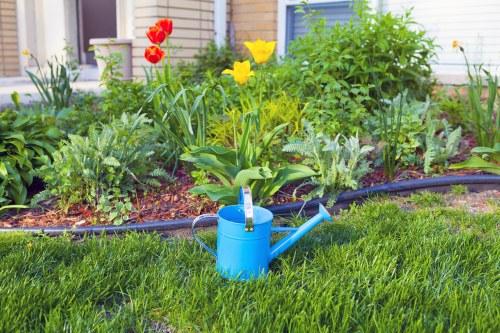 Gardening Services Stoke Newington deliver more than beautiful borders — we prioritise an eco-friendly waste disposal area and the creation of a sustainable rubbish gardening area for every project. This page outlines our practical approach to reducing landfill, increasing reuse, and working with the borough's waste separation strategies to keep Stoke Newington green. Our aim is to show how local garden clearance and maintenance can support wider circular-economy goals while preserving the character of neighbourhood green spaces.
We set a clear recycling percentage target for our horticultural waste streams so clients know what to expect. Our company target is to divert 70% of all garden waste and associated materials from landfill through composting, re-use and appropriate recycling. This target is reviewed annually and benchmarked against local recycling performance to ensure continuous improvement and transparency.
 In practice, Stoke Newington gardening recycling and waste handling follows the boroughs' approach to waste separation: we separate green waste, woody material, soil, inert rubble, plastics and mixed recyclables at source. That means crews arrive with labelled skip liners, segregated sack systems and a commitment to sort on-site rather than commingling loads. These on-site practices make it easier to channel materials to composting, chipping for mulch, or transfer stations that accept segregated loads.
Beyond on-site sorting, we use trusted local transfer stations and waste hubs that align with low-carbon handling. We regularly route garden arisings to North London facilities, coordinated with the North London Waste Authority, including transfers to Edmonton EcoPark and other NLWA-managed sites for appropriate processing. This ensures garden soil and green waste are treated at authorised facilities rather than ending up in mixed municipal waste.
 Our sustainable rubbish gardening area protocols include mulching, chipping and composting partnerships so woody material becomes a resource. Wood chip is used on paths and beds, while shredded green waste is composted for reuse on-site or donated to community growing spaces. We avoid unnecessary transport by favouring local processing points and arranging drop-offs during consolidated runs to reduce mileage and emissions.
We work closely with community groups and charities to maximise reuse of materials recovered from clearances. Partnerships include local re-use charities and community gardens, social enterprises that specialise in redistribution, and organisations that can accept usable soil, pavers and reclaimed timber. These collaborations turn potential waste into value: benches, raised beds, and reclaimed timber projects often start with material diverted from a clearance.
Practical Recycling Activities and Local Coordination
Our Stoke Newington garden recycling activities include:
- Green waste composting — segregated green waste taken to permitted composting facilities or processed on-site where space allows;
- Wood chipping for mulch and biomass reuse;
- Soil testing and remediation so clean spoil can be reused rather than landfilled;
- Plastic and metal separation from green waste for proper borough recycling streams;
- Re-use and donation pathways for salvageable items to local charities and community gardens.
These actions align with the boroughs' focus on separating organics, paper/card, glass and metals at source. By mirroring municipal separation categories in our own crews' processes, we support higher-quality recycling and reduce contamination rates.
Low-Carbon Fleet & Route Optimisation
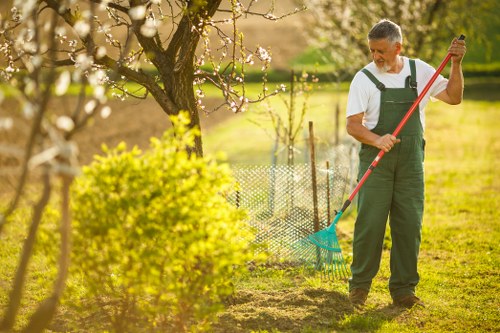 To back our sustainable rubbish gardening area goals, our fleet includes low-carbon vans and cargo bikes for small jobs. We use electric vans where charge infrastructure permits and Euro 6 low-emission diesels as an interim solution for heavier loads. Route-planning software minimises miles and consolidates drop-offs to transfer stations and charity partners, cutting emissions and costs.
 Strong operational choices also include scheduled consolidation days so multiple small clearances feed a single transfer run, and prioritising off-peak movement to avoid idling. For inner-London Stoke Newington jobs we favour cargo bikes and hand-cart transfers for last-mile movements when feasible, reducing street congestion and cutting particulate emissions.
Finally, our reporting provides clients with transparent evidence of outcomes: diversion rates, tonnages sent to composting, items donated to charities and CO2 savings from low-emission logistics. That information underpins continuous improvement and demonstrates how local gardening services can make a measurable contribution to borough recycling goals and a greener Stoke Newington. By combining sensible on-site sorting, partnerships with transfer stations and charities, and a low-carbon fleet strategy, we create sustainable outcomes for every garden.